Source RGB LED Portable Mini Speaker for Computer and Mobile Phone
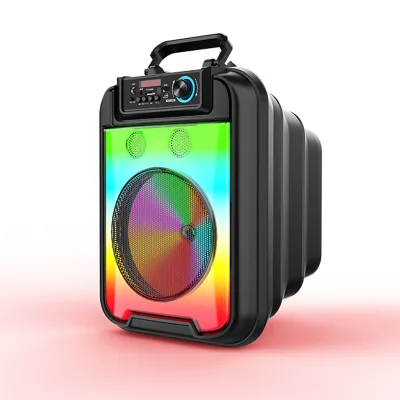
Compare 30 RGB LED portable mini speaker options featuring Bluetooth 5.3, FM radio, and USB support. Buyers can evaluate specs like 5W RMS output, 18650 battery capacity, and IPX6 water resistance for computer, portable player, and mobile phone applications.
Key considerations
Products List




Comprehensive Sourcing Guide
Strategic Sourcing Guide for RGB LED Portable Mini Speakers
Understanding the Technical Landscape of Portable Audio Units
The procurement of RGB LED portable mini speakers requires a granular understanding of the specific technical attributes that define this product category. Based on the available product data, these units are characterized by a distinct set of hardware specifications that influence their performance and suitability for various B2B applications. The core of these devices is the active amplification type, which ensures that the audio output is driven by an internal power source rather than passive components. The observed product models, such as the M66 and T-129, demonstrate a consistent use of 18650 battery cells, though capacities vary significantly between units, ranging from 1500mAh to 3600mAh. This variation in battery capacity directly impacts the operational longevity of the device, with observed play times fluctuating between 4 to 6 hours under normal volume conditions, and some configurations noting a standard playing time of approximately 2 hours.
The audio output capabilities are defined by specific speaker unit dimensions and power ratings. The data indicates speaker units ranging from 52mm to 73mm in size, with power outputs observed at 5W RMS and 10W RMS. The frequency response for these units typically spans from 80Hz to 20kHz, covering the standard audible spectrum required for general consumer electronics. Connectivity is a critical differentiator in this segment, with Bluetooth versions observed as both 5.0 and 5.3. The higher version, 5.3, suggests improved data transfer rates and stability, while the 5.0 variants support standard profiles including L2cap, A2dp, and Hsp/Hfp. The input power requirements are standardized at 5V 1A, and charging voltages are noted as DC 5V, which aligns with common USB charging standards.
Storage and media support are also key technical considerations. The products feature built-in memory support, with some models indicating a memory size greater than 32GB, while others specify an extended storage capacity via SD cards up to a maximum of 32GB. The inclusion of USB disk support and memory card slots allows for versatile media playback without reliance on a paired smartphone. The physical dimensions of the units vary, with package sizes observed around 82.378.3102mm and speaker dimensions noted at 73.473.495.5mm. Weight is another factor, with individual unit weights recorded at 263g and bulk packaging weights reaching 30.7kg per carton. These physical constraints are essential for logistics planning and inventory management.
Compliance Verification and Certification Standards
When sourcing electronic devices from China, verifying compliance with international safety and electromagnetic standards is a non-negotiable step for B2B buyers. The provided data includes a mention of CE certification, though it is categorized with lower confidence. This distinction is crucial; buyers must not assume that every unit in a batch carries this certification without explicit verification from the supplier. The CE mark indicates conformity with health, safety, and environmental protection standards for products sold within the European Economic Area. However, relying on a single mention in a product listing is insufficient for a formal procurement contract.
Buyers should request current test reports from accredited laboratories to confirm that the specific model numbers, such as M66 or T-129, meet the required directives. These reports should cover radio equipment directives for the Bluetooth functionality and low voltage directives for the power supply systems. The presence of an IPX6 rating in the data suggests a level of water resistance, which is a significant selling point for portable speakers. However, this rating must be validated through independent testing to ensure the device can withstand powerful water jets without ingress of water.
In addition to CE, buyers should verify compliance with other regional standards depending on the target market. For instance, FCC certification is often required for the United States market to ensure the device does not emit harmful levels of radio frequency interference. RoHS compliance is also critical to ensure that the electronic components do not contain restricted hazardous substances. The sourcing guide emphasizes that while the product origin is listed as China, the specific manufacturing facility and its quality management systems must be audited to ensure consistent adherence to these standards. The absence of explicit standard numbers in the provided text for most attributes means that buyers must define these requirements in their purchase orders and request evidence of compliance before finalizing any transaction.
Cost Drivers and Pricing Dynamics in the Market
The pricing structure for RGB LED portable mini speakers is influenced by a complex interplay of component costs, customization options, and order volumes. The observed price range in the market spans from $1.01 to $34, a wide disparity that reflects differences in specifications, build quality, and order quantities. The lower end of this spectrum likely corresponds to units with smaller battery capacities, lower output power (5W RMS), and basic Bluetooth versions (5.0). Conversely, the higher price points are associated with enhanced features such as 10W RMS output, larger battery capacities (3600mAh), and newer Bluetooth versions (5.3).
Customization is a significant cost driver in this category. The data confirms that customization is available, which can include branding, packaging design, and specific color configurations for the RGB LED indicators. Customizing the packaging, such as moving from a standard gift box to a color box with specific graphics, adds to the unit cost. Additionally, the inclusion of specific functions like FM radio and memory card support adds to the bill of materials. The minimum order quantity (MOQ) ranges from 1 to 10,000 units, indicating that suppliers are flexible but often offer better unit economics at higher volumes.
Buyers must also consider the logistics costs associated with the physical dimensions and weight of the products. The net weight of 30.7kg per carton and gross weight of 31.7kg per carton, combined with box measurements of 434143 cm, affect shipping rates. Bulk shipping is more cost-effective, but the high density of these units can lead to volume-based shipping charges. The operating system, noted as Linux in some contexts, may also influence the cost if the firmware requires specific licensing or development efforts. Understanding these variables allows buyers to negotiate more effectively and forecast total landed costs accurately.
Typical Applications and Market Segmentation
The versatility of RGB LED portable mini speakers makes them suitable for a wide array of applications, from corporate gifting to retail distribution. The observed usage scenarios include computers, portable players, mobile phones, and radios, indicating a broad compatibility with modern digital ecosystems. The built-in battery and USB charging capabilities make these units ideal for outdoor events, promotional campaigns, and retail environments where power outlets may not be readily available. The IPX6 rating further expands their utility to outdoor settings where exposure to water or dust is a concern.
In the corporate sector, these speakers are frequently used as branded merchandise. The ability to customize the packaging and the RGB LED features allows companies to create high-impact promotional items that stand out. The FM radio function and memory card support add value for users who may not have constant internet access or prefer local media playback. For the retail sector, the varying price points allow for segmentation across different consumer budgets. The lower-priced models can target budget-conscious consumers, while the higher-spec models with 10W output and longer battery life can appeal to audiophiles or those seeking premium portable audio solutions.
The specific models mentioned, such as the M66 and T-129, cater to different market needs. The M66, with its 5W RMS output and 1500mAh battery, is well-suited for compact, personal use. The T-129, featuring a 10W RMS output and 3600mAh battery, is better positioned for larger gatherings or environments requiring higher volume and longer play times. The inclusion of a Linux operating system in some configurations suggests potential for more advanced firmware features, which could be leveraged for smart home integration or specialized applications.
Supplier Evaluation and Quality Assurance Protocols
Evaluating suppliers for RGB LED portable mini speakers requires a rigorous approach to ensure consistency and reliability. The data indicates that the products originate from China, a major manufacturing hub for consumer electronics. Buyers should prioritize suppliers who can provide detailed documentation on their manufacturing processes, including quality control measures at every stage of production. The presence of a built-in battery and complex electronic components necessitates strict adherence to safety standards to prevent issues such as battery swelling or overheating.
Key performance indicators for supplier evaluation include the consistency of the Bluetooth connection, the accuracy of the battery capacity claims, and the durability of the speaker units. Buyers should request samples to test the frequency response, output power, and battery life under real-world conditions. The observed play time of 4 to 6 hours should be verified against the manufacturer's claims. Additionally, the RGB LED functionality should be tested for color accuracy and brightness consistency.
Quality control protocols should also include checks on the physical dimensions and packaging. The package size of 82.378.3102mm and the box measurement of 434143 cm must be accurate to ensure efficient shipping and storage. Any discrepancies in these measurements can lead to logistical issues and increased costs. Suppliers should also demonstrate their ability to handle customization requests, such as changing the packaging from a gift box to a color box, without compromising the structural integrity of the product.
Long-Term Procurement Considerations and Supply Chain Resilience
Sourcing RGB LED portable mini speakers is not just a one-time transaction but a long-term relationship that requires careful planning and risk management. The variability in product specifications, such as the different battery types and Bluetooth versions, highlights the need for clear communication with suppliers to ensure that the ordered units meet the specific requirements of the buyer. Buyers should establish a clear specification sheet that defines the minimum acceptable standards for all attributes, including battery capacity, output power, and connectivity.
Supply chain resilience is another critical consideration. The observed lead times and MOQs can vary significantly, and buyers should plan for potential disruptions in the supply chain. The high volume of units per carton (100PCS/CTN) suggests that bulk ordering is common, but buyers should ensure that they have adequate storage capacity to handle large shipments. The use of standard packaging materials, such as gift boxes and color boxes, should be verified to ensure they meet the environmental and safety standards of the target market.
Furthermore, buyers should consider the lifecycle of the product. The use of 18650 batteries means that the devices have a finite lifespan, and buyers should plan for end-of-life disposal or recycling programs. The availability of spare parts, such as charging cables and replacement batteries, should also be discussed with the supplier to ensure long-term support. By focusing on these long-term considerations, buyers can build a sustainable and reliable supply chain for RGB LED portable mini speakers that meets their business needs and market demands.
Finalizing the Procurement Strategy
In conclusion, the procurement of RGB LED portable mini speakers involves a detailed analysis of technical specifications, compliance requirements, cost drivers, and supplier capabilities. The observed data provides a solid foundation for understanding the market landscape, but buyers must conduct their own due diligence to ensure that the selected products meet their specific needs. By focusing on the key attributes such as battery capacity, output power, and connectivity, buyers can make informed decisions that balance cost and performance. The wide range of applications and the availability of customization options make these speakers a versatile choice for various B2B scenarios. Ultimately, a strategic approach to sourcing, combined with rigorous quality control and long-term planning, will ensure success in this competitive market.
FAQs
What customization options are available for these speakers?
Customization is available for these RGB LED portable mini speakers. Buyers can request specific branding, packaging designs, and color configurations to match their corporate identity or retail requirements.
How long does the built-in battery last during normal use?
The play time typically ranges from 4 to 6 hours under normal volume conditions. Some configurations with smaller batteries may offer a standard playing time of approximately 2 hours depending on the specific model.
Which Bluetooth versions are supported by these portable units?
These units support Bluetooth versions 5.0 and 5.3. The 5.3 version offers improved data transfer rates, while the 5.0 variant supports standard profiles like A2dp and Hsp/Hfp for reliable connectivity.
Can these speakers support external storage media?
Yes, the speakers support memory cards and USB disks for media playback. Some models allow extended storage via SD cards with a maximum expanded capacity of 32GB, providing versatile media options.
What is the typical output power for these mini speakers?
The output power varies between 5W RMS and 10W RMS depending on the specific model. Higher power ratings are found in models designed for larger gatherings or environments requiring greater volume.
How does the IPX6 rating affect the speaker's durability?
The IPX6 rating indicates the device can withstand powerful water jets without water ingress. This makes the speaker suitable for outdoor events, though independent testing is required to validate this claim.
What is the minimum order quantity for these products?
The minimum order quantity ranges from 1 to 10,000 units depending on the supplier. Flexible MOQs allow buyers to test small batches or place large orders for bulk distribution and corporate gifting.